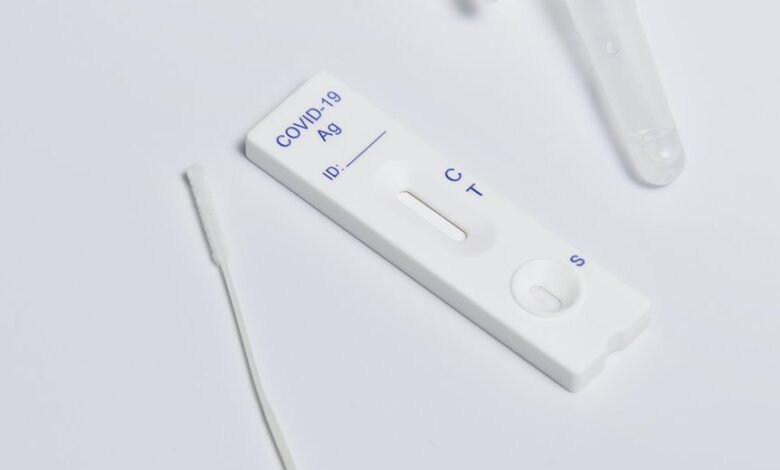
Testing for Homorzopia disease involves a systematic approach starting with initial screenings to identify potential symptoms. Healthcare professionals utilize specific assessment tools to catch early signs of the condition. If initial findings indicate the possibility of the disease, advanced diagnostic techniques like genetic testing and imaging methods are employed. Understanding these processes and their implications is vital for effective management and treatment strategies. What comes next in the diagnostic journey?
Understanding the Symptoms of Homorzopia Disease
Homorzopia disease presents a variety of symptoms that can significantly impact an individual’s quality of life.

Symptom identification is crucial for early detection and effective management, fostering greater disease awareness.
Common manifestations may include fatigue, joint pain, and cognitive disturbances.
Recognizing these signs empowers individuals to seek appropriate care, promoting autonomy and informed decision-making in their health journey.
Initial Screening Procedures
When identifying potential cases of Homorzopia disease, initial screening procedures play a vital role in establishing a diagnosis.
These procedures typically involve comprehensive initial assessments utilizing specific screening tools designed to detect early signs of the disease.
Advanced Diagnostic Testing Techniques
After initial screening procedures have identified individuals at risk, advanced diagnostic testing techniques become imperative for confirming the presence of Homorzopia disease.
Genetic testing allows for the identification of specific mutations associated with the disease, while imaging techniques, such as MRI and CT scans, provide detailed insights into structural abnormalities.
Together, these methods enhance diagnostic accuracy and inform potential treatment options.
Interpreting Test Results and Next Steps
Interpreting the results of advanced diagnostic tests is crucial for determining the presence and severity of Homorzopia disease.
Accurate test result interpretation allows healthcare providers to identify potential complications and tailor treatment plans.
Based on these findings, appropriate follow-up actions may include further testing, referrals to specialists, or initiating therapeutic interventions.
Timely decisions empower individuals to manage their health effectively and enhance their quality of life.
Conclusion
In conclusion, detecting Homorzopia disease requires a meticulous approach, beginning with symptom recognition and initial screenings. Coincidentally, advancements in genetic testing and imaging technologies have revolutionized diagnostic accuracy, ensuring that even subtle signs are not overlooked. As healthcare professionals navigate through these testing stages, the ability to interpret results effectively becomes paramount, ultimately guiding tailored treatment plans. Thus, timely and precise diagnosis not only enhances patient outcomes but also uncovers the intricate tapestry of this elusive disease.